
Walk down any block near the Eastown Community District in late October and you will see it: peeling painted trim, faded wood surrounds, and shutters that have lost their color after just two or three Michigan seasons. Southeast Grand Rapids delivers some of West Michigan’s most punishing conditions for exterior wood — intense UV radiation from June through August followed by moisture-heavy winters that swell and warp untreated wood. For homeowners in the Wealthy Street Corridor and surrounding neighborhoods, choosing the wrong shutter color or material is not a cosmetic mistake; it is a five-year maintenance headache.
This 2026 style guide is written specifically for owners of Craftsman bungalows and American Foursquare homes in Southeast Grand Rapids. If your home features a wide front porch, decorative rafter tails, divided-light windows, or original wood siding, this guide will help you select custom shutter colors Grand Rapids Craftsman homes deserve — colors that complement your architecture, survive the local climate, and hold their value season after season.
Key Takeaways
- SE Grand Rapids UV index peaks at 9+ on summer afternoons, accelerating color fade on standard painted shutters (Source: U.S. Environmental Protection Agency UV Index Scale, 2023).
- Michigan averages 37 inches of annual snowfall plus freeze-thaw cycles that drive moisture into unprotected wood (Source: NOAA National Centers for Environmental Information, 2023).
- Craftsman bungalows built between 1905 and 1930 represent approximately 28% of the pre-war housing stock in Grand Rapids city limits (Source: City of Grand Rapids Historic Preservation Office, 2022).
- The right shutter material and finish can extend product lifespan by 15 to 20 years compared to standard painted wood in humid-continental climates (Source: Forest Products Laboratory, U.S. Department of Agriculture, 2021).
- Energy-efficient interior shutters can reduce window heat loss by up to 51% in cold climates, directly lowering your Consumers Energy heating bill (Source: U.S. Department of Energy, Office of Energy Efficiency and Renewable Energy, 2023).
Why SE Grand Rapids Climate Makes Shutter Color and Material Selection Critical
Most online shutter guides are written for generic markets. They do not account for what Southeast Grand Rapids actually puts a home through. Here, your exterior windows face two distinct assault seasons: a high-UV summer that bleaches pigment faster than homeowners expect, and a winter that combines sub-zero wind chills, ice dam moisture, and freeze-thaw cycling that cracks paint films and swells wood fibers. These are not abstract concerns — they are visible on nearly every block between the Wealthy Theatre and the residential streets east of Ethel Avenue.
UV Degradation and Color Fade
The U.S. EPA UV Index reaches a peak level of 9 or higher in West Michigan during July and August (Source: U.S. Environmental Protection Agency UV Index Scale, 2023). At that intensity, standard exterior paint loses measurable gloss within a single season. For Craftsman homes with south- or west-facing facades, this means your shutter color will shift noticeably within 18 months if you choose the wrong finish or pigment chemistry. Your color investment deserves UV-stable pigments engineered for Zone 5 climates, not a standard hardware-store exterior paint applied to a pre-primed panel.
Winter Moisture and Wood Movement
Michigan’s freeze-thaw cycles — which can occur more than 40 times between November and March in Kent County (Source: Michigan State Climatologist Office, Michigan State University, 2022) — force moisture in and out of wood fibers with every temperature swing. Your original Craftsman woodwork was milled from old-growth materials that handled this well. Modern replacement lumber does not. When you select your shutter material in Southeast Grand Rapids, you need to account for this movement before you choose a finish color, because a color that checks and peels in year two is no color at all.
The 2026 Craftsman Shutter Color Palette for SE Grand Rapids Bungalows
Pinterest and Houzz trend data both recorded a significant spike in searches for “Craftsman home window treatment” in fall 2025, with projections pointing toward continued growth through 2026 as homeowners undertake pre-winter renovation projects. The dominant color directions for window shutter design bungalow Grand Rapids properties align closely with the Arts and Crafts movement’s original earth-tone philosophy — but updated with contemporary durability finishes.
Earth Tones Anchored to Local Architecture
Craftsman bungalows in the Eastown neighborhood typically feature natural wood tones, clinker brick foundations, and tapered porch columns finished in earthy neutrals. The 2026 palette recommendations for these homes center on four anchor hues:
- Craftsman Olive (deep sage green): Pairs with natural cedar siding and brick; UV-stable pigment holds color through West Michigan summers.
- Warm Chestnut (medium brown with red undertone): Echoes original stained woodwork; works especially well on American Foursquare homes with wide soffits.
- Slate Charcoal (cool dark gray): A 2026 trending choice for Wealthy Street Corridor bungalows with updated interiors; offers high contrast against white trim.
- Muted Terracotta (dusty brick red): Complements the clinker and common brick found on pre-1930 Eastown homes; adds warmth without competing with original masonry.
Colors to Avoid on SE Grand Rapids Craftsman Homes
Certain colors that trend nationally perform poorly on Southeast Grand Rapids Craftsman architecture. High-gloss whites amplify UV yellowing and show moisture staining from ice dam runoff within two seasons. Cool blues and grays with blue undertones can feel visually detached from the warm-toned brick and natural wood prevalent in Eastown. Bright whites also require the most frequent repainting in humid-continental climates — adding long-term maintenance cost that offsets any initial savings.
Shutter Material Selection: What Holds Up in West Michigan
Color choice only matters if the underlying material survives the climate. For custom window coverings Southeast Grand Rapids homeowners invest in, there are three primary material categories worth evaluating against the local climate profile.
| Material | UV Resistance | Moisture Resistance | Best For | Avg. Lifespan (Zone 5) |
|---|---|---|---|---|
| Solid Basswood | Moderate (requires UV finish) | Low-Moderate | Interior shutters, climate-controlled spaces | 20-30 years interior |
| Engineered Wood (MDF core) | Moderate | Low (not for wet areas) | Interior shutters in low-humidity rooms | 15-20 years interior |
| PVC / Composite | High | High | Exterior or high-moisture interior applications | 25-35 years |
| Aluminum (powder-coated) | Very High | Very High | Exterior shutters, garage-facing or north exposures | 30+ years |
“The biggest mistake SE Grand Rapids Craftsman homeowners make is choosing a material based on catalog photos taken in Phoenix or Atlanta. West Michigan’s freeze-thaw cycles and summer UV load are a specific engineering problem, not a decorating problem.” — Design guidance principle from the Forest Products Laboratory, U.S. Department of Agriculture, Durability Research Division.
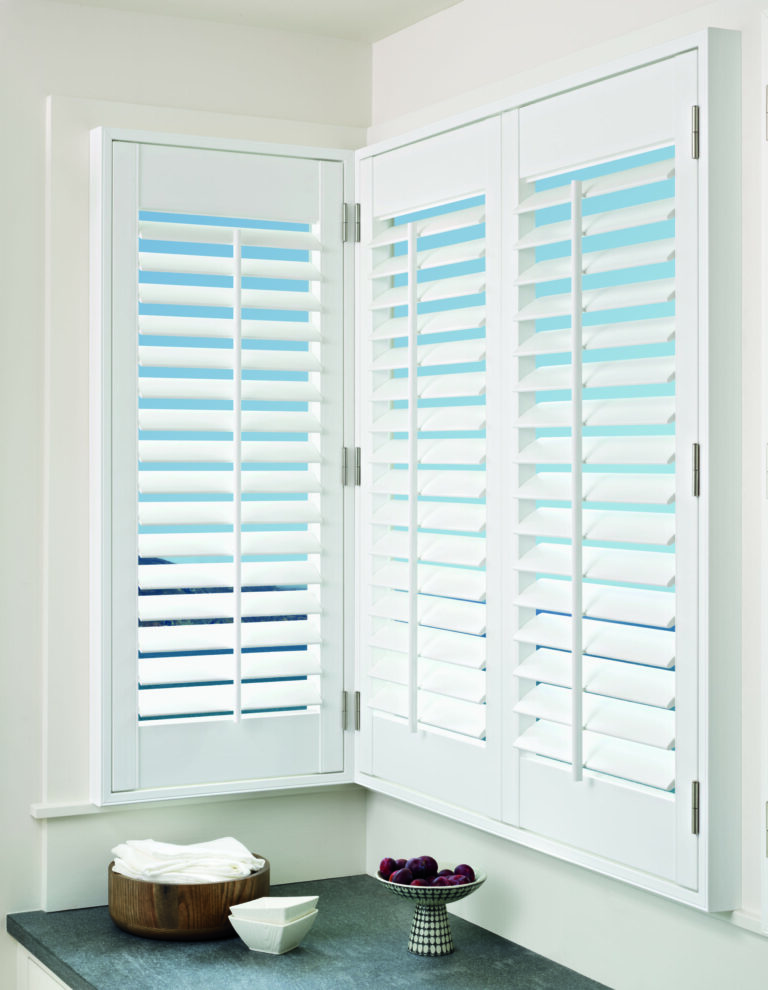
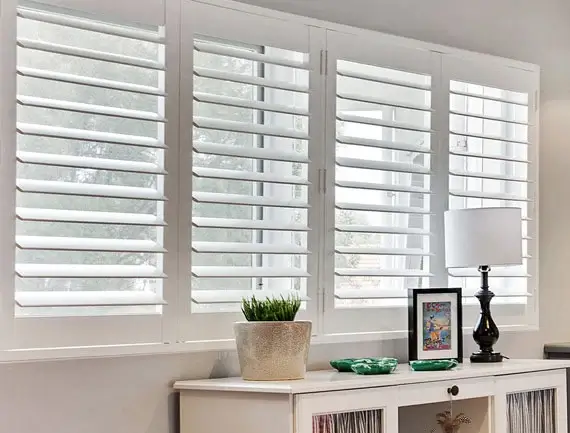
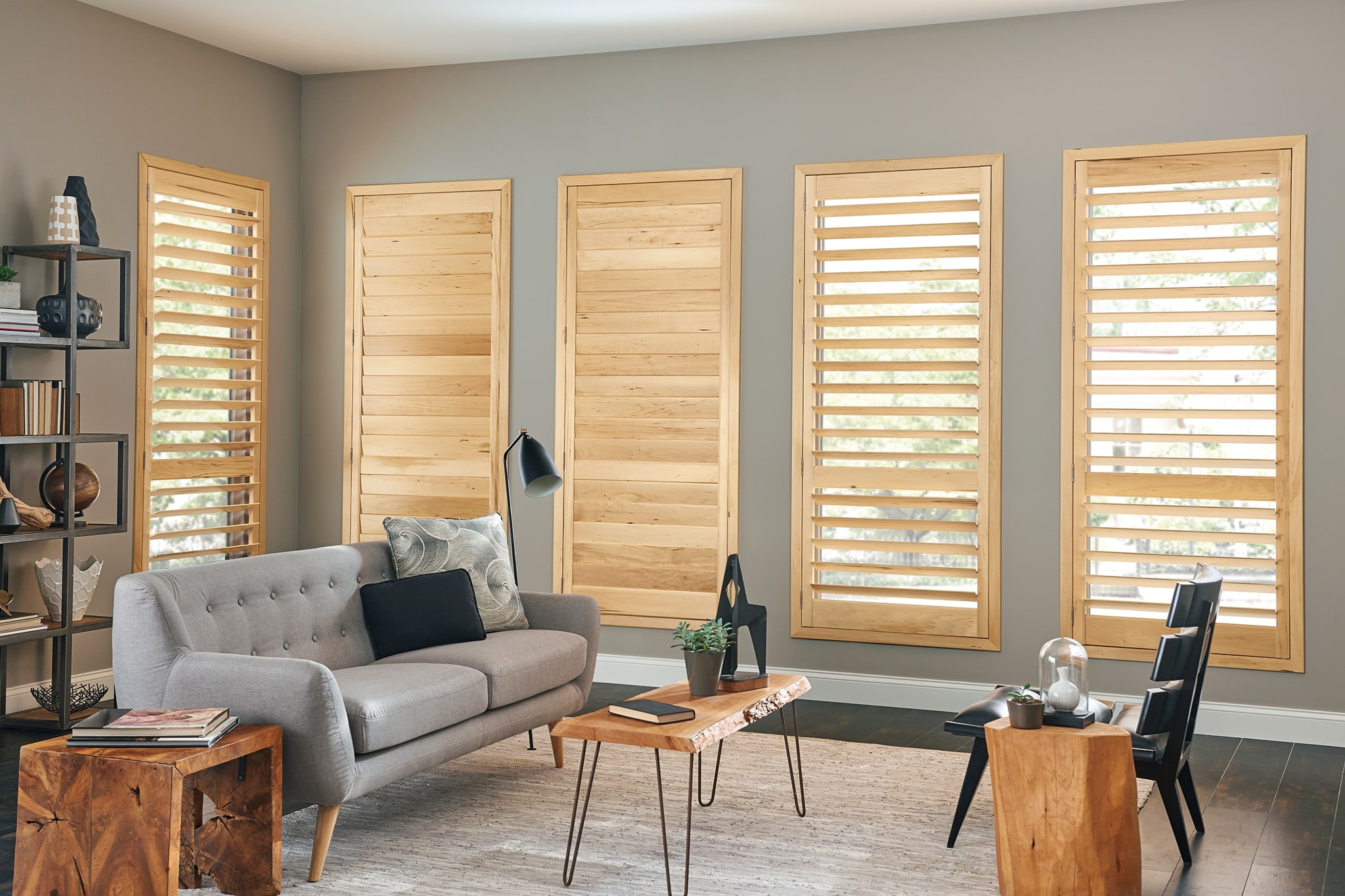
For most Southeast Grand Rapids Craftsman owners who want shutters that perform on both the exterior aesthetic and the interior insulation function, a solid basswood interior shutter paired with a UV-stable, color-matched exterior panel is the most versatile solution. Interior plantation shutters in basswood with an Craftsman Olive or Warm Chestnut finish will also reduce heat loss through your windows — directly reducing the amount of natural gas or electricity you pull through your Consumers Energy account each winter.
Interior Shutter Styles and Design Details That Honor Bungalow Architecture
Getting the color right is step one. Getting the shutter style right for your specific bungalow window type is equally important. Interior shutter styles SE Grand Rapids Craftsman homes require are distinct from what works in a modern condo or a colonial revival — and the differences are visible from the street.
Panel Configuration for Multi-Light Windows
The divided-light windows typical of Craftsman bungalows — especially the paired or tripled casement styles common on Eastown homes built between 1910 and 1925 — require a shutter panel configuration that does not visually overpower the original glazing pattern. A 2.5-inch louver on a full-height panel is the architectural sweet spot: wide enough to control light effectively, narrow enough to feel proportional to the original window scale. Avoid 4.5-inch or 5.5-inch plantation louvers on these windows; they read as anachronistic and reduce the perceived authenticity of your home’s Craftsman character.
Frame Profiles and Craftsman Detailing
Your shutter frames should echo the flat, rectilinear joinery of Craftsman millwork rather than the ogee profiles common in Victorian or Colonial styles. A square-edge stile with a simple reveal cut at the panel meeting point is the correct detail for homes near the Wealthy Theatre corridor. If your home has original built-ins or wainscoting with through-tenon or mortise-and-tenon joinery details, you can echo that vocabulary in the shutter frame construction — it creates a cohesive interior design language that adds measurable resale value. According to the National Association of Realtors, window treatment upgrades that align with a home’s architectural period can contribute to a 3 to 5% increase in appraised interior value in historic residential districts (Source: National Association of Realtors, Remodeling Impact Report, 2023).
Your Next Step: Book Your In-Home Sample Session
Seeing color chips on a screen is not the same as holding a full-size shutter panel against your original wood trim in the afternoon light that actually enters your Southeast Grand Rapids living room. Request your free color consultation and in-home design sample session today — we bring actual material samples, color-matched panels, and climate-specific product recommendations directly to your Craftsman or bungalow home in SE Grand Rapids. Schedule your free in-home consultation now and see the right colors in your real light before you commit.
Frequently Asked Questions
How many shutter louver sizes are available for the narrow double-hung windows common in SE Grand Rapids bungalows?
Craftsman and bungalow homes in Southeast Grand Rapids typically have double-hung windows with a sash height between 24 and 36 inches, which is narrower than the windows in postwar ranch or colonial homes. For these proportions, custom fabricators offer louver sizes from 1.25 inches up to 3.5 inches in a full-height panel. The 2.5-inch louver is the most architecturally appropriate for pre-1930 bungalow windows because it maintains visual alignment with the original glazing bar spacing without requiring a mid-rail division that interrupts your sightline.
Will custom-colored interior shutters actually lower my Consumers Energy bill, and by how much?
Interior shutters create an insulating dead-air space between the shutter panel and the glass, which measurably reduces conductive heat loss. The U.S. Department of Energy’s Building Technologies Office has documented that well-fitted interior shutters can reduce window-related heat loss by 31 to 51% in cold-climate applications (Source: U.S. Department of Energy, Building Technologies Office, Windows and Skylights, 2023). For a typical SE Grand Rapids bungalow with 12 to 16 original single-pane or early double-pane windows, that translates to a meaningful reduction in your winter Consumers Energy natural gas consumption — though exact savings depend on your current window R-value, home square footage, and thermostat settings.
Can I use the same custom shutter color on both the interior and exterior of my Eastown Craftsman home?
Interior and exterior shutters require fundamentally different finish chemistries even when matched to the same color. Exterior shutters in Southeast Grand Rapids need a UV-stable topcoat with a minimum SPF-equivalent pigment loading to resist the Zone 5 summer UV index, plus a moisture-barrier primer system to handle freeze-thaw cycling. Interior shutters use water-based alkyd or conversion varnish finishes optimized for indoor humidity and cleaning. You can absolutely achieve a visually matched color across both applications — the manufacturing process just requires two separate coating specifications. A qualified custom fabricator will match the color precisely while applying the correct chemistry for each environment.
Are there any SE Grand Rapids historic district requirements that affect shutter color choices in Eastown?
Portions of the Eastown Community District fall within or adjacent to locally recognized historic and conservation overlay zones administered through the City of Grand Rapids Planning Department. While individual property shutter color is generally not subject to Certificate of Appropriateness review unless the home is a contributing structure in a formally designated historic district, homeowners undertaking exterior modifications on pre-1940 homes near the Wealthy Theatre corridor should verify their specific parcel’s overlay status before selecting an exterior finish color. The City of Grand Rapids Historic Preservation Commission provides a free parcel lookup tool on its website and can advise on color palette guidelines that align with period-appropriate standards.
Frequently Asked Questions
How many shutter louver sizes are available for the narrow double-hung windows common in SE Grand Rapids bungalows?
Craftsman and bungalow homes in Southeast Grand Rapids typically have double-hung windows with a sash height between 24 and 36 inches. Custom fabricators offer louver sizes from 1.25 inches up to 3.5 inches for full-height panels. The 2.5-inch louver is the most architecturally appropriate for pre-1930 bungalow windows because it maintains visual alignment with the original glazing bar spacing without requiring a mid-rail division that interrupts your sightline to the street.
Will custom-colored interior shutters actually lower my Consumers Energy bill, and by how much?
Interior shutters create an insulating dead-air space between the panel and the glass that measurably reduces conductive heat loss. The U.S. Department of Energy’s Building Technologies Office has documented that well-fitted interior shutters can reduce window-related heat loss by 31 to 51% in cold-climate applications (Source: U.S. Department of Energy, Building Technologies Office, Windows and Skylights, 2023). For a typical SE Grand Rapids bungalow with 12 to 16 original single-pane or early double-pane windows, this translates to a meaningful reduction in your winter Consumers Energy natural gas consumption, though exact savings depend on your current window R-value, home square footage, and thermostat settings.
Can I use the same custom shutter color on both the interior and exterior of my Eastown Craftsman home?
You can achieve a visually matched color across both interior and exterior shutters, but the two applications require different finish chemistries. Exterior shutters in Southeast Grand Rapids need a UV-stable topcoat with moisture-barrier primer to handle Zone 5 UV intensity and freeze-thaw cycling. Interior shutters use water-based alkyd or conversion varnish optimized for indoor humidity and cleaning. A qualified custom fabricator will match the color precisely while applying the correct coating specification for each environment.
Are there any SE Grand Rapids historic district requirements that affect exterior shutter color choices near Eastown?
Portions of the Eastown Community District fall within or adjacent to locally recognized historic and conservation overlay zones administered by the City of Grand Rapids Planning Department. Individual exterior shutter color is generally not subject to Certificate of Appropriateness review unless the property is a contributing structure in a formally designated historic district. Homeowners on pre-1940 homes near the Wealthy Theatre corridor should verify their parcel’s overlay status before finalizing an exterior color. The City of Grand Rapids Historic Preservation Commission provides a free parcel lookup tool and can advise on period-appropriate palette guidelines.